Perugia: Italy’s Underrated Hilltop Gem

Sandy Colombo • July 10, 2025

Chocolate, Culture, and Charm in the Heart of Umbria
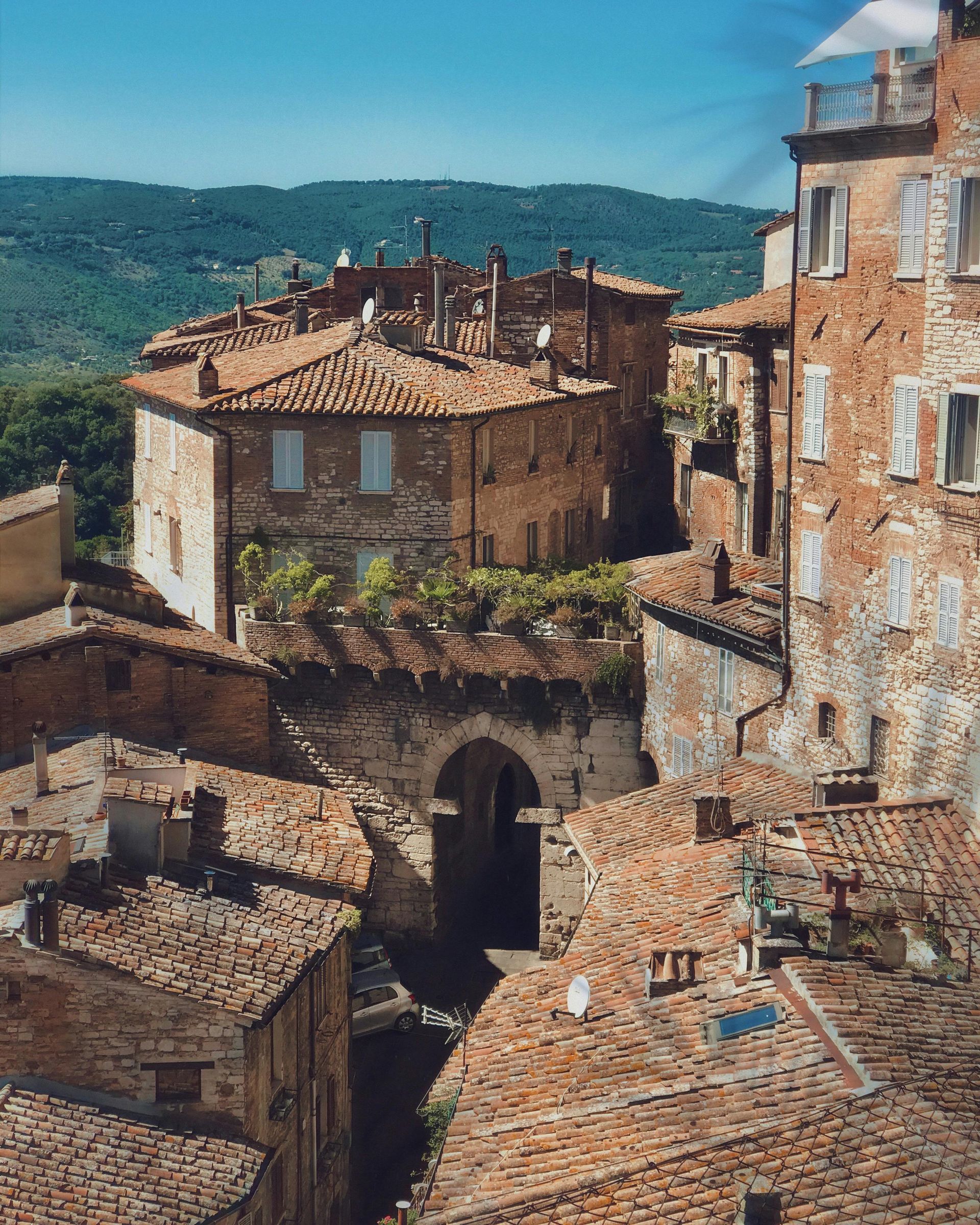
If you're dreaming of a less touristy Italian escape rich in history, art, and decadent sweets, Perugia should be high on your list. As the capital of Umbria, Perugia has all the medieval magic of Tuscany, minus the crowds. With its cobbled lanes, panoramic views, and thriving local scene, it’s a place that balances ancient soul with modern energy — especially during its famous festivals.


Here’s your guide to what to see, do, eat, and experience in Perugia across the seasons.


🏛 What to See and Do in Perugia

🧱 1. Stroll the Historic Center

Perugia’s old town is a beautiful maze of Etruscan walls, Gothic buildings, and hidden staircases. Walk the Corso Vannucci, the city’s main promenade, lined with shops, bars, and gelaterias.

Top sights include:

  • Piazza IV Novembre – Home to the Fontana Maggiore, one of Italy’s most beautiful medieval fountains.
  • Palazzo dei Priori – A stunning Gothic palace housing the National Gallery of Umbria, with works by Perugino and Piero della Francesca.
  • Perugia Cathedral (San Lorenzo) – Overlooks the main square with Renaissance and Baroque art inside.


🏰 2. Underground Perugia

Beneath the surface lies Rocca Paolina, a 16th-century fortress built by Pope Paul III. Today, its eerie stone passageways and ruins are open to the public — even with escalators connecting parts of the city!


🎨 3. Art and History Museums

  • National Gallery of Umbria – One of Italy’s finest regional art collections.
  • Museo Archeologico Nazionale dell’Umbria – For Etruscan and Roman finds.
  • House Museum of Palazzo Sorbello – A noble family’s restored home with antique furnishings and rare books.


🍫 Visit the Baci Chocolate Factory – Casa del Cioccolato Perugina

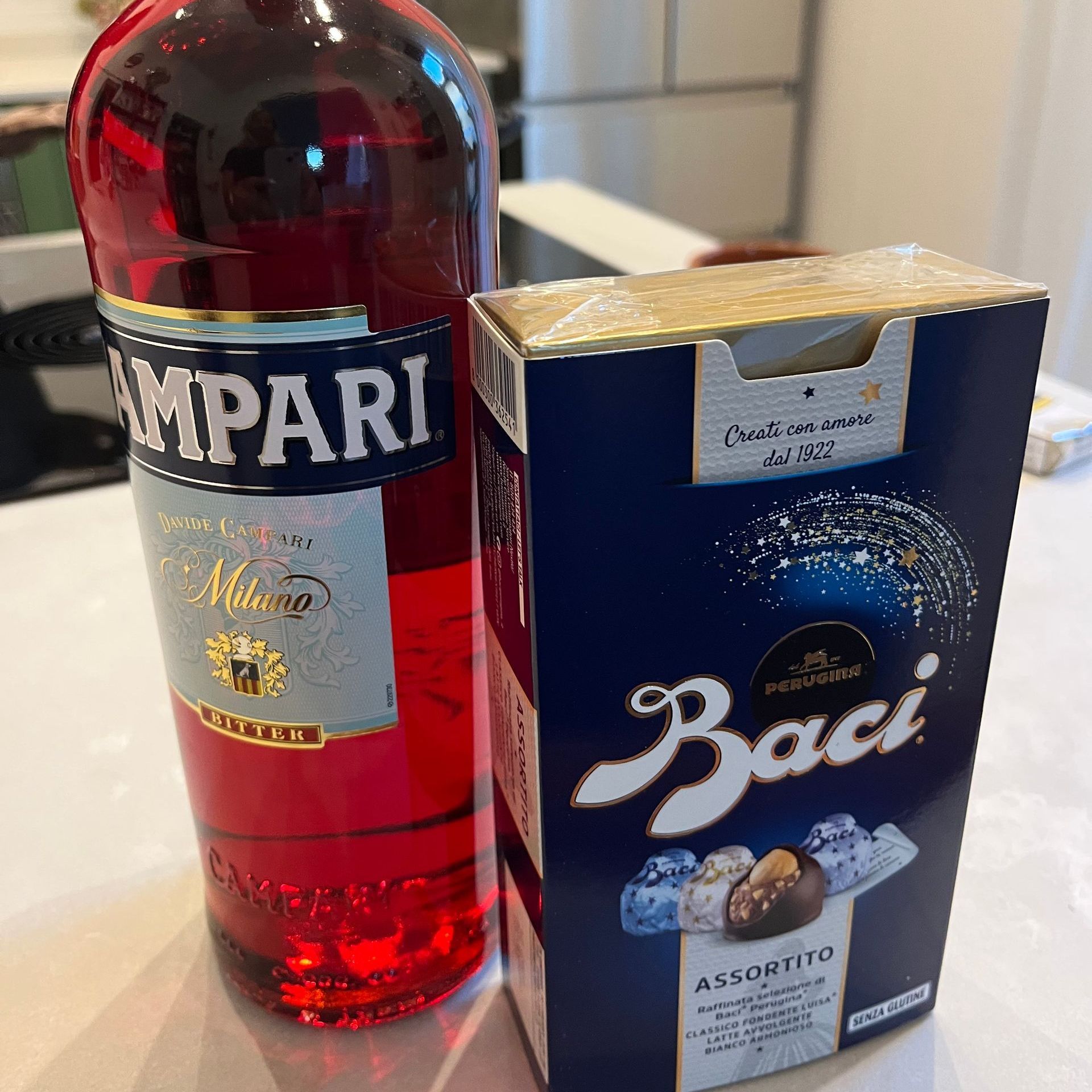
Perugia is the birthplace of the iconic Baci Perugina — little dark chocolates with a hazelnut center and a love note inside. At the Casa del Cioccolato, you can tour the Perugina factory, learn the brand’s history, visit the chocolate museum, and even take a workshop to make your own sweets.

Pro tip: October is the best time to go, when Perugia hosts Eurochocolate, a massive international chocolate festival that transforms the whole city into a cocoa-lovers’ paradise.


🎉 Festivals and Events in Perugia

🍫 Eurochocolate (October)

One of Europe’s largest chocolate festivals — with tastings, chocolate sculptures, themed events, and plenty of indulgence. It draws thousands, so book accommodation early.

🎷 Umbria Jazz (July)

An internationally famous jazz festival that brings top artists from around the world. Concerts are held in scenic outdoor venues and historic buildings.

👼 Natale a Perugia (December)

Christmas in Perugia is magical. With twinkling lights, artisan markets, and the largest underground Christmas market in Italy (in Rocca Paolina), it’s a winter wonderland without the tourist rush.


🌤 Weather in Perugia: What to Expect by Season

🌸 Spring (March–May)

  • Mild & blooming. Perfect for city strolls and countryside drives.
  • Average temps: 10–20°C (50–68°F)
  • Great time for photography and fewer crowds.

☀️ Summer (June–August)

  • Hot and lively. Expect warm weather and music filling the piazzas.
  • Temps: 25–35°C (77–95°F)
  • Best time for Umbria Jazz and day trips to nearby towns like Assisi or Gubbio.

🍂 Autumn (September–November)

  • Cooler and colorful. A gorgeous time to visit with fall foliage, fewer tourists, and lots of festivals.
  • Temps: 12–25°C (54–77°F)
  • Ideal for Eurochocolate and foodies in general.

❄️ Winter (December–February)

  • Chilly but charming. Occasional snow adds to the atmosphere.
  • Temps: 2–10°C (35–50°F)
  • Cozy cafés, holiday markets, and quiet museums make this a peaceful off-season visit.


🥘 Culinary Highlights

  • Truffle dishes (especially black truffle in pasta or bruschetta)
  • Strangozzi – A thick, hand-rolled pasta often served with wild boar ragu
  • Porchetta – Herbed and slow-roasted pork, served in sandwiches
  • Local wines – Try Sagrantino di Montefalco or Grechetto from nearby vineyards
  • And of course… Baci chocolates in all forms


🚆 How to Get to Perugia

  • By train: Easy connections from Florence (about 2.5 hrs) or Rome (about 2 hrs)
  • By air: Perugia San Francesco d’Assisi Airport has regional and some international flights
  • By car: Perfect for exploring Umbria’s hill towns on a leisurely drive


✨ Why People Travel to Perugia

  • To escape the crowds of Italy’s more tourist-heavy cities
  • To explore authentic Umbrian life with art, history, and charm
  • For world-class chocolate and food festivals
  • To use it as a base for exploring Assisi, Spello, Deruta, and Lake Trasimeno
  • For romantic hilltop sunsets and local hospitality


🧳 Final Thoughts

Perugia is not just a stop — it’s a destination in its own right. Whether you go for the jazz, the chocolate, or just to sip a cappuccino while watching the mist roll over the Umbrian hills, this city offers a uniquely soulful slice of Italy. Come for a weekend or linger longer — Perugia’s quiet magic stays with you.
By Sandy Colombo February 26, 2026
There’s a new way people are choosing their next holiday - not from a brochure, but from Netflix. So swap your dinner tray on your knee to sitting in Italy at a local restaurant...... A show captures your imagination. A villa overlooking rolling hills. A dramatic coastal backdrop. A long lunch under lemon trees. And suddenly, you’re not just watching Italy… you’re dreaming of living it. Welcome to Netflix-inspired experience travel in Italy - where you don’t just visit locations, you step into the story. Sicily: The White Lotus Effect Few shows have influenced travel quite like The White Lotus. Filmed in the breathtaking town of Taormina, the series showcased the iconic San Domenico Palace, Taormina perched above the Ionian Sea. Since its release, Sicily has seen a surge in travellers wanting: • Luxury stays with cinematic views • Private boat charters around Isola Bella • Guided tours of the ancient Teatro Antico di Taormina • Long, indulgent Sicilian dinners overlooking the water But beyond the glamour, Sicily offers something deeper to the tourist an authenticity, layered history, and a slower rhythm of life. Food, Culture & Connection Netflix and streaming platforms have also reignited our love affair with Italian cuisine. In Stanley Tucci: Searching for Italy, Stanley Tucci explores regional food traditions from Roman pasta to Sicilian street food - showing that Italian cuisine is hyper-local, deeply personal, and tied to family. Inspired travellers are now asking for: • Market tours with local chefs • Pasta-making classes in Bologna • Truffle hunting in Piedmont • Wine blending sessions in Tuscany • Olive harvest experiences in Puglia This is no longer “dinner with a view.” It’s cooking in a farmhouse kitchen. It’s tasting wine with the vineyard owner. It’s understanding why each region tastes different. Tuscany: Romance & Reinvention The romantic dream of rural Italy lives on thanks to Under the Tuscan Sun. Set around Cortona, it fuelled the desire for: • Private villa stays • Countryside cycling • Long vineyard lunches • Tuscan cooking schools Similarly, Call Me by Your Name showcased the soft beauty of northern Italy’s countryside - inspiring slow summer itineraries with lakeside swims, quiet piazzas, and local trattorias. Tuscany isn’t about rushing. It’s about settling in. Italian Glamour: Milan, Lake Como & Rome If fashion and elegance are more your style, Netflix has you covered. House of Gucci highlighted the sophistication of Milan and the grandeur of Lake Como. Travellers inspired by this world are seeking: • Designer shopping experiences • Private boat transfers across Lake Como • Luxury historic hotels • Personal styling sessions Meanwhile, Eat Pray Love reminded us why Rome and Naples are essential stops - pizza in Naples, gelato in Rome, and embracing the art of dolce far niente. Historical Drama & Cinematic Backdrops History lovers have also been drawn in by Netflix dramas. Medici brought Renaissance Florence to life, sparking renewed interest in private art tours and in-depth storytelling experiences in Florence. No Time to Die showcased the dramatic stone city of Matera - now one of Italy’s most sought-after destinations for travellers wanting something unique and visually spectacular. Even romance plays its part, with Letters to Juliet drawing couples to Verona for Juliet’s balcony and wine-filled countryside escapes. Why Streaming Has Changed Travel Streaming has shifted expectations. Travellers no longer want: • Generic tours • Rushed itineraries • Surface-level sightseeing • Or 40 people on a bus creating your own crowd wherever you go ! They want: • Immersion • Storytelling • Local connection • Hands-on experiences They want to walk the same cobblestones, taste the same flavours, and wake up to the same views they saw on screen. And Italy delivers this effortlessly. How to Design Your Own “Screen to Scene” Journey A Netflix-inspired Italian itinerary might include: ✨ 3 nights in Taormina at a clifftop luxury hotel ✨ Private Sicilian cooking class in a local home ✨ A Tuscan villa stay with wine tastings ✨ Lake Como boat day with lakeside lunch ✨ After-hours access to Renaissance art in Florence ✨ A pizza-making experience in Naples ✨ A sunset Vespa tour through Rome The key is balance - combining iconic filming locations with authentic local experiences that go beyond what’s shown on screen. Italy has always been cinematic. Netflix simply reminded the world. The beauty of experience travel is that it turns inspiration into reality. You don’t just watch the sunset over Sicily - you’re there. You don’t just see Tuscan vineyards on your screen - you’re walking through them. So next time you’re watching Italy from your couch, ask yourself: Is it time to press pause… and book the ticket instead?
By Sandy Colombo February 26, 2026
There was a time when travel was about ticking boxes. See the landmark. Take the photo. Move on. But today, travellers are craving something deeper. They don’t just want to see a place — they want to feel it, taste it, participate in it, and connect with it. So why has travel shifted from sightseeing to experience? Because experiences change us - neurologically, emotionally, and socially. The Shift: From Observing to Participating Traditional travel was observational. You stood in front of the Colosseum. You walked through a museum. You admired the view. Experience travel is participatory. You make pasta with a nonna. You harvest olives on a family farm. You sail along the coast with a local skipper. You share stories over a long Italian lunch. And that participation changes everything. The Science Behind Experience Travel 🧠 When we engage in hands-on experiences, our brains respond differently than when we simply observe. Here’s why: Multi-Sensory Engagement Strengthens Memory When you cook in Italy, you: • Smell fresh basil • Feel the texture of dough • Hear stories in another language • Taste the final dish • See the countryside around you This multi-sensory input activates multiple regions of the brain simultaneously. The more senses involved, the stronger the neural connections formed. In simple terms? You don’t just remember it - you embed it. That’s why you might forget the name of a monument… but never forget the day you made pasta in Tuscany. Novel Experiences Build New Neural Pathways Our brains are wired for novelty. When we step outside routine - navigating a market in Sicily, learning a new skill, speaking another language - the brain creates new neural pathways. This process, known as neuroplasticity, strengthens cognitive flexibility and emotional memory. Experiential travel stimulates: • Curiosity • Problem-solving • Adaptability • Emotional awareness It literally makes your brain more active and engaged. Shared Experiences Deepen Human Connection There’s powerful neuroscience behind shared moments. When people experience something meaningful together - like: • A sunset boat ride • A cooking class • A wine harvest • A local festival The brain releases oxytocin, often called the “bonding hormone.” Shared novelty + emotional engagement = stronger relationships. That’s why couples reconnect on immersive holidays. Why families talk about “that day in Italy” for years. Why friends feel closer after travelling together. It’s not just the destination - it’s the shared story. AND its so 2026 …..people are sharing & connecting with steaming shows ! Emotional Connection Over Visual Consumption Social media initially pushed travel toward visual consumption - the perfect photo. But now, people are moving beyond “Instagrammable” moments. They want: • Authentic conversation • Cultural immersion • Storytelling • Meaning Because connection is what stays with us. When you sit at a long table in a small Italian village, listening to a family tell stories passed down for generations, you are not just a tourist. You are participating in something human and timeless. And that creates emotional memory - the kind that lasts. Why Italy Is Perfect for Experience Travel 🇮🇹 Italy naturally lends itself to experiential travel because its culture is built around: • Food as ritual • Family as foundation • Tradition as identity • Community as lifestyle You don’t “visit” Italy. You join it. Whether it’s: • Rolling pasta dough by hand • Joining the grape harvest • Learning regional recipes • Driving through countryside villages • Celebrating local festivals Italy invites you to participate, not observe. Experiences Create Identity Shifts The most powerful travel experiences don’t just entertain us - they shape how we see ourselves. After immersive travel, people often say: • “I feel different.” • “I’ve slowed down.” • “I want to live differently.” • “I have learnt more about me” That’s because meaningful experiences integrate into our identity. You’re no longer someone who visited Italy. You’re someone who cooked with Italians. Who understands regional wine. Who knows the rhythm of a piazza at sunset. And that identity shift is powerful. Why This Matters More Than Ever In a fast, digital world filled with scrolling and surface interaction, people crave depth. Experience travel offers: • Presence • Sensory richness • Human connection • Personal growth It allows us to step away from autopilot and into awareness. And when we are fully present, our brains encode the moment more deeply. That’s why experience travel doesn’t fade. It lingers. Exploring shows you a place. Experiencing connects you to it. And connection to people, to culture, to yourself…. is what modern travellers are truly seeking. Because at the end of the day, we don’t remember the number of sites we visited. We remember how it felt. And that feeling is what keeps calling us back. 🇮🇹✨
By Sandy Colombo February 26, 2026
We’ve all been there. The flight was delayed. The hotel overbooked. The restaurant ran out of the one dish you were craving. Or worse ….your luggage decided to take its own vacation. And yet, strangely, it’s these disasters that often stick in our memory more than the incredible views or delicious meals. Why? Because our brains are wired to remember negative experiences more vividly than positive ones. It’s called the negativity bias - a survival mechanism that keeps us alert to danger, but can sometimes make travel mishaps feel bigger than they really were. So how do you tip the scales toward memories that delight and inspire rather than terrify especially on a trip to Italy? Why Bad Experiences Stick When something goes wrong while travelling: • Our amygdala, the part of the brain responsible for emotional memory, lights up. • Stress hormones like adrenaline and cortisol spike. • Our brain encodes the event deeply as a “lesson” to avoid future mistakes. This is why a missed train in Venice or a wrong turn in Florence can dominate your recollections for years, even if everything else went perfectly. But here’s the good news: we can use the same science to intentionally create positive, unforgettable travel memories. The Secret: Immersive Experiences That Stick Positive, engaging experiences activate different parts of the brain than stressful ones: • Prefrontal cortex – helps you process and enjoy new experiences • Hippocampus – strengthens long-term memory • Dopamine pathways – release joy, excitement, and pleasure The key? Immersion. Engagement. Connection. This is why doing more than sightseeing actively participating makes memories stick. 🍝 Cooking Classes in Florence Rolling pasta, learning to make fresh gnocchi, or preparing traditional Tuscan sauces is hands-on, multi-sensory, and memorable. • Smell the fresh herbs. • Feel the dough in your hands. • Taste the fruits of your labor. • Hear stories from your chef about local traditions. Your brain is firing on all cylinders and these memories become vivid, joyful, and lasting. 🍷 Wine & Local Produce Tours Walking through vineyards, tasting regional wines, and sampling local cheeses or olive oils activates all five senses. • The color of Chianti in the glass • The aroma of truffles or fresh herbs • The sound of a bustling farmers’ market • The taste of locally made pecorino or gelato Your mind isn’t just “observing” Italy …. it’s living it. 🏛 Walking Tours With Storytelling and tasting local produce and wine Instead of rushing past monuments, join a guided walking tour that brings the streets to life: • Hear stories about Renaissance Florence • Discover hidden piazzas off the tourist trail • Stop at local bakeries, gelaterias, or coffee bars to taste the city Walking, talking, and tasting engages movement, conversation, and flavour, which helps encode these memories in long-term memory pathways. How to Minimize Travel Stress To ensure your Italy experience is joyful and memorable: 1. Plan, but stay flexible - Book experiences in advance, but allow for slow, unstructured exploration. 2. Prioritize immersive activities - Hands-on workshops, food tours, and cultural experiences outweigh sightseeing alone. 3. Use local guides - They know hidden gems, shortcuts, and how to make your experience authentic. 4. Limit overpacking your itinerary - Stress comes from rushing; joy comes from savouring. Something the Italians are excellent at ! 5. Engage with locals Conversation, laughter, and connection create dopamine and oxytocin - the “memory hormones.” Italy Is Perfect for Memorable Experiences Italy isn’t just about landmarks it’s about participation: • Making pasta with a Tuscan chef • Harvesting grapes in Chianti • Walking Florence streets with a food historian • Tasting cheeses in Piedmont or olive oil in Puglia • Cruising Amalfi Coast cliffs by boat These experiences engage your brain, your senses, and your emotions. They replace stressful, fleeting travel memories with deep, positive ones that stick. Travel disasters stick because your brain is hardwired to remember negative events. But positive, immersive experiences where you taste, touch, see, and participate create stronger, lasting memories that joyfully dominate your recollections. So on your next trip to Italy, don’t just see it. Live it. Cook it. Taste it. Walk it. Share it. Because the memories you make when you truly experience Italy are the ones you’ll treasure for a lifetime. 🇮🇹✨
By SAndy Colombo October 9, 2025
A relaxed coastal city where Italy meets Central Europe — and where slow travel truly shines.
By SAndy Colombo October 9, 2025
A delicious journey through Italy’s diverse regions — where every bite tells a story.
By SAndy Colombo October 9, 2025
Beyond the balcony of Juliet — explore Verona’s rich past, vibrant piazzas, and serene side streets.
By SAndy Colombo October 6, 2025
Language options….Study Italian in Italy with Aussie2italia
By Sandy Colombo July 10, 2025
Quiet Corners, Cozy Towns & Soulful Escapes for an October Reset
By Sandy Colombo July 10, 2025
Culture, Colours, and Culinary Delights Await
By Sandy Colombo July 10, 2025
Why More Australians Are Choosing Italy’s Hidden Coastal Gems Like Rimini, Ancona & Loreto