Are you an Aussie looking at travelling to Italy ?
Sandy Colombo • March 16, 2026
What Australian Travellers Really Look For When Planning a Trip to Italy..... And How Aussie2Italia Can Help
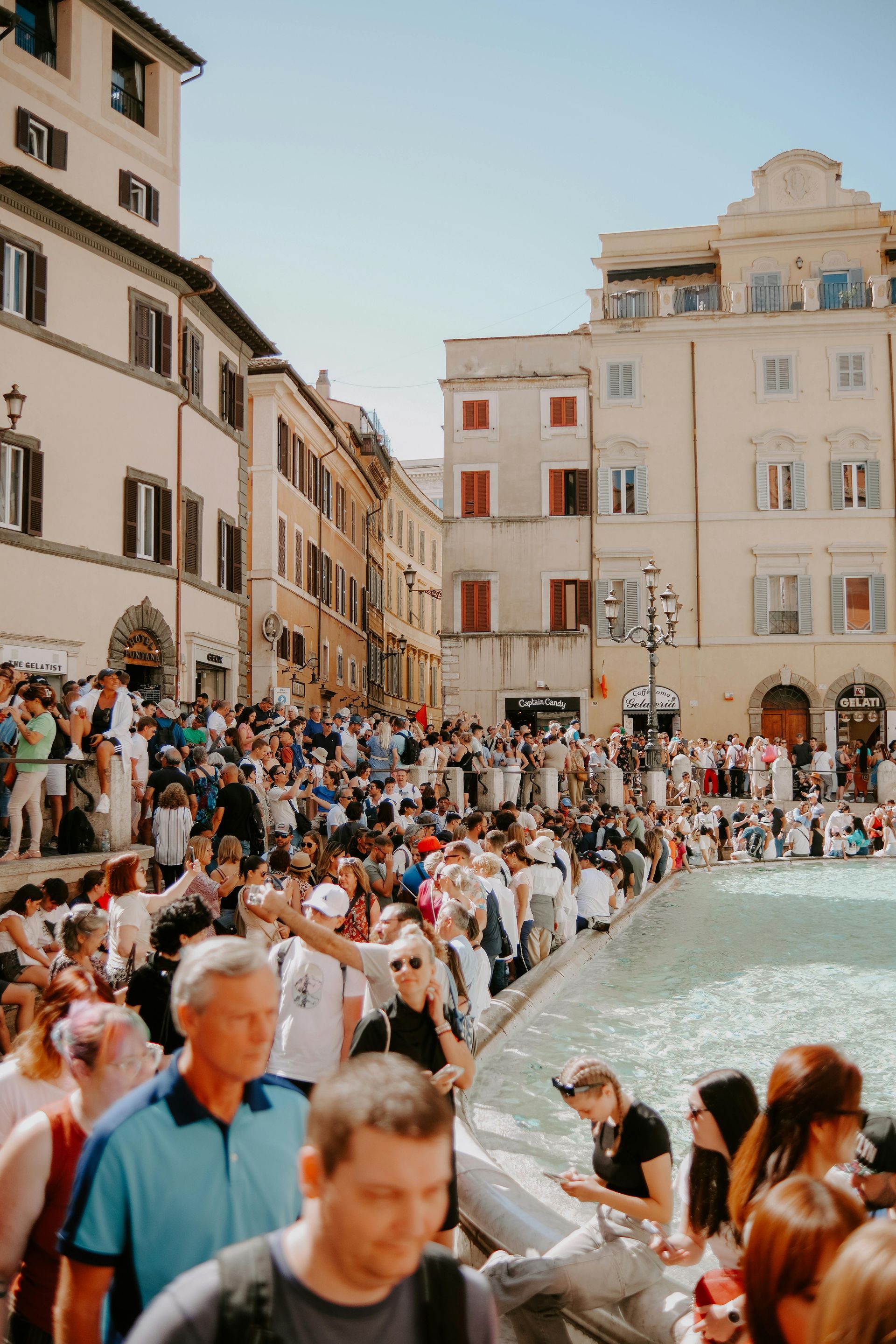
When Australians dream of Italy, it’s not just about ticking off Rome, Venice, or Florence. They’re looking for authentic experiences, smooth logistics, and memories that last a lifetime. Here’s what most Aussie travellers are thinking about:
1. Ease and Peace of Mind
Flights, trains, villas, and tours - planning all of it from Australia can be overwhelming. Travellers want someone who knows Italy inside out and can handle the details, so they can relax and enjoy.
2. Unique Experiences
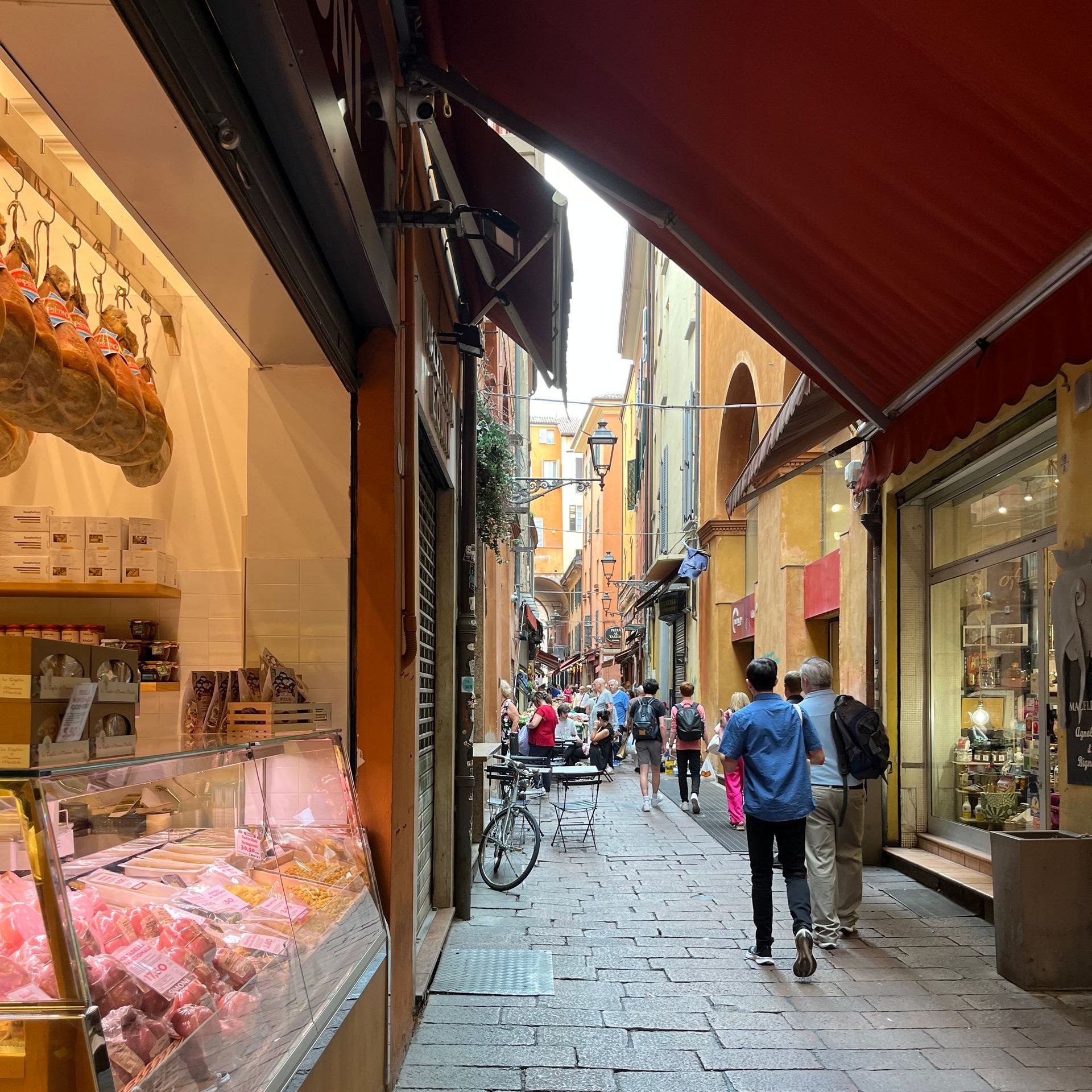
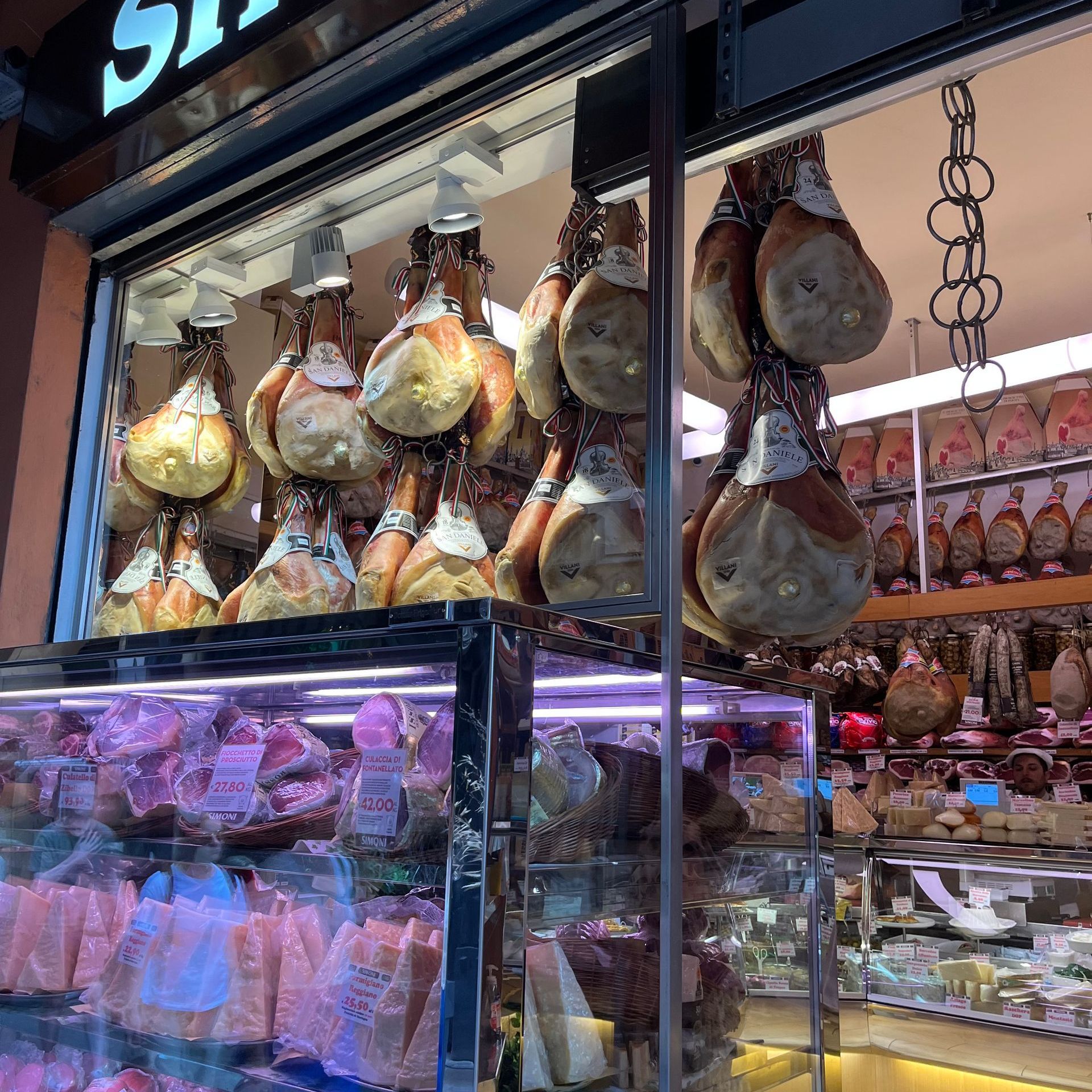
It’s more than sightseeing. Cooking classes in Tuscany, private wine tastings in Piedmont, artisan tours in Bologna - Australians are after experiences that connect them to Italian culture and lifestyle.
3. Budget-Friendly Planning
Travellers want to maximise value without missing out on once-in-a-lifetime moments. That means smart itineraries, insider tips, and local knowledge that only someone familiar with Italy can provide.
4. Flexibility & Support
From last-minute changes to travel advisories, Australians want a plan that’s adaptable and supported every step of the way.
That’s where Aussie2Italia comes in:
• We create tailor-made itineraries based on your interests, pace, and budget.
• We secure authentic experiences that go beyond the usual tourist trail.
• We manage the logistics, from flights to trains, villas to dining, so you can simply enjoy your journey.
• And we provide support before and during your trip, so you always feel safe and confident.
Travelling to Italy is about connection, discovery, and joy. With Aussie2Italia, Australian travellers can focus on making memories.... we handle the rest.
And with our operator in Rome we are always on your local time and just a phone call away !
There is a trap many travellers fall into
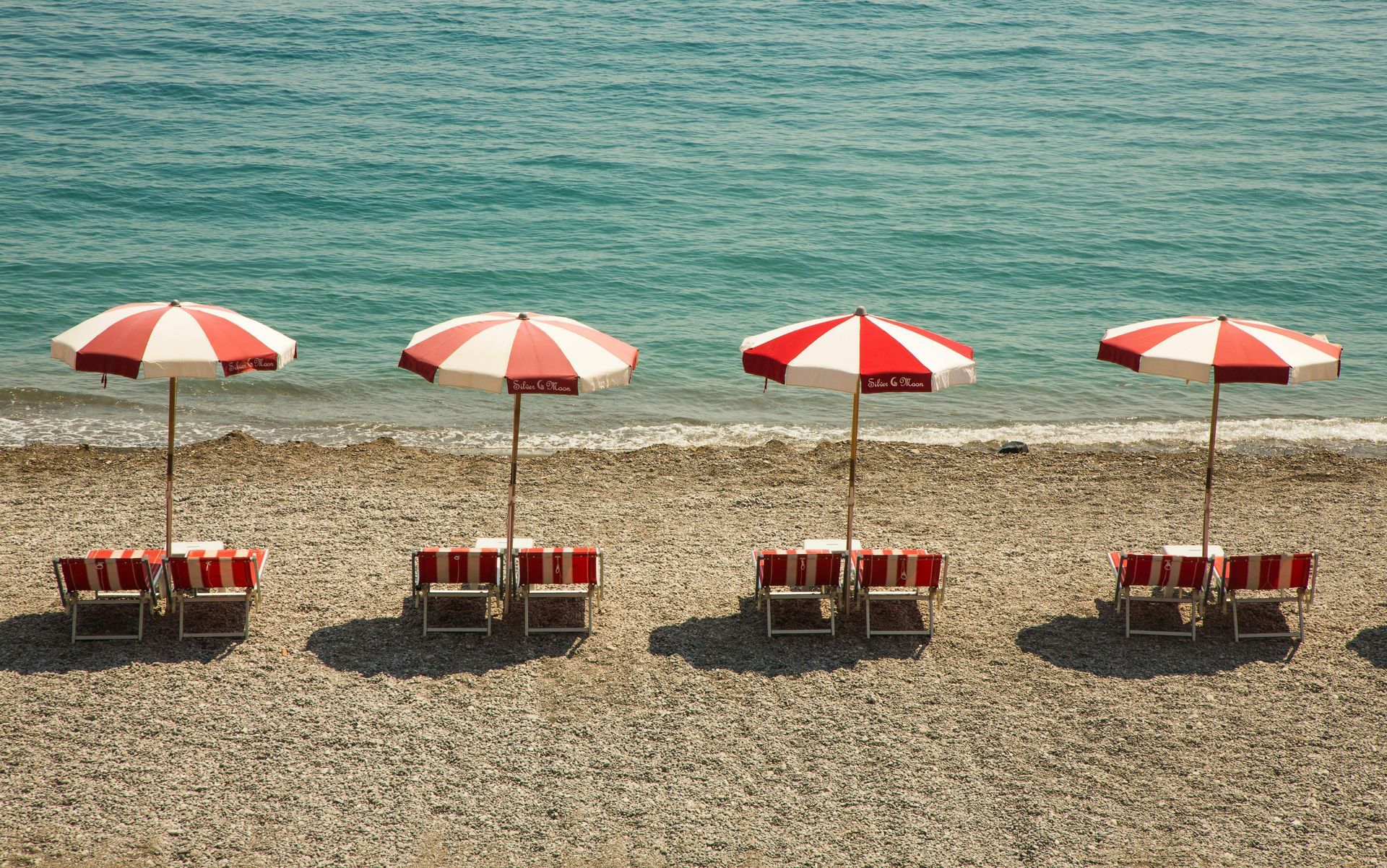
Beyond the major tourist routes there is another Italy waiting.
After many years working in travel, one pattern appears again and again. Whenever the world feels uncertain whether it’s political tension, economic worries, or conflict somewhere in the world people instinctively pause. They stop planning, stop booking, and wait to see what happens next. It’s a very human reaction. No one wants to commit to something when the news feels unpredictable. But the pause rarely lasts long. What happens next is what those of us in the travel industry know very well. Once people adjust to the situation and realise their plans are still possible, the desire to travel comes rushing back. Life continues, holidays are still needed, and those long-awaited trips suddenly feel even more important. And when travellers start planning again, they don’t trickle back slowly - they return all at once. That’s when demand spikes. Hotels fill quickly, the best villas disappear, and sought-after experiences like private guides, cooking classes and boutique accommodations get booked out far earlier than people expect. It’s not because there are suddenly more travellers than usual, but because everyone who paused starts booking at the same time. It’s a cycle the travel industry has seen repeatedly: pause, adjust, then surge. And the travellers who planned ahead during the quiet period are the ones who end up with the best options when the surge arrives. Three Things Travellers Can Do Right Now to Avoid the Surge 1. Lock in your key destinations early You don’t need every detail planned, but securing the main places you want to stay- like a boutique hotel on Lake Como, a villa in Tuscany, or a special spot on the Coast means you won’t be scrambling for availability later. The best properties are small and book out first. 2. Secure your dates and framework Start with the structure of the trip: when you’re travelling and roughly where you’ll go. Once the bones of the itinerary are in place, everything else becomes much easier to build around it. 3. Book the experiences that make the trip memorable The things people remember most in Italy are rarely just the hotels it’s the experiences. Private guides, cooking classes, food tours, and special local experiences have limited spots and often book months in advance. Securing these early means your trip won’t feel rushed or pieced together later. Planning ahead isn’t about rushing decisions. It’s about making sure that when the surge comes - and it always does - you already have the trip you really want. It is NEVER too early to start planning - so even if you are concerned and do not want to book anything what you can do is start Planning now ....it can take time to get the perfect itinerary. Jump in now and get your plan sorted then when you feel more comfortable to book you are all ready to go ! See under "custom itinerary planning" to get started !
TIP #1 Never book airfares online through an online travel site, if you book online go straight to the airline's website.

We know that sometimes even the most carefully planned holidays can take an unexpected turn. While we guarantee all our tours with two or more passengers travelling (and can help you when you’re a solo to do similar on request) NOT all tour companies run this similar policy. This comes as a shock to many – you have booked your tour, paid deposit and what they cancel ! How can that be ? Jane and Annie had booked a number of tours throughout Europe for June next year, securing everything almost 12 months in advance. They had done all the right things—planned early, locked in their tours, and carefully mapped out their dream European adventure. But then came the unexpected. Just three months before departure, they were advised that one of their pre-booked tours through Italy—booked elsewhere with a large operator —was no longer going ahead due to low numbers. This happens quite a lot and can be so very frustrating if it happens to you. Suddenly, they were left with 16 nights in Italy and no arrangements in place. With a tour finishing just before and another beginning straight after, their travel dates were fixed. They couldn’t move flights or shift plans around easily. What was once an organised itinerary suddenly became a stressful gap right in the middle of their holiday. That’s where we stepped in. At Aussie2italia, we love turning uncertainty into opportunity ! After speaking with Jane and Annie about their travel style, interests, and what they wanted to experience in Italy, we began designing a personalised itinerary to seamlessly fill those 16 nights. Instead of stress, they now have something exciting to look forward to. Imagine: 🍋 Exploring the breathtaking villages of the Amalfi Coast 🍝 Tasting local flavours and joining cooking experiences in Bologna 🍷 Sipping wine among the rolling hills of Tuscany 🏛️ Discovering iconic sights in Rome 🌊 Unwinding by the sea in Puglia or Sicily What started as disappointment has quickly become one of the most exciting parts of their trip. We always say—sometimes the unexpected creates the best travel memories. At Aussie2italia, we’re here not only to help clients plan from the beginning, but also to step in when plans change unexpectedly. Tours cancelled? Need help filling gaps? Unsure how to connect the dots? Too busy ? That’s what we do best. Let us turn travel stress into an unforgettable Italian experience. 🇮🇹✨
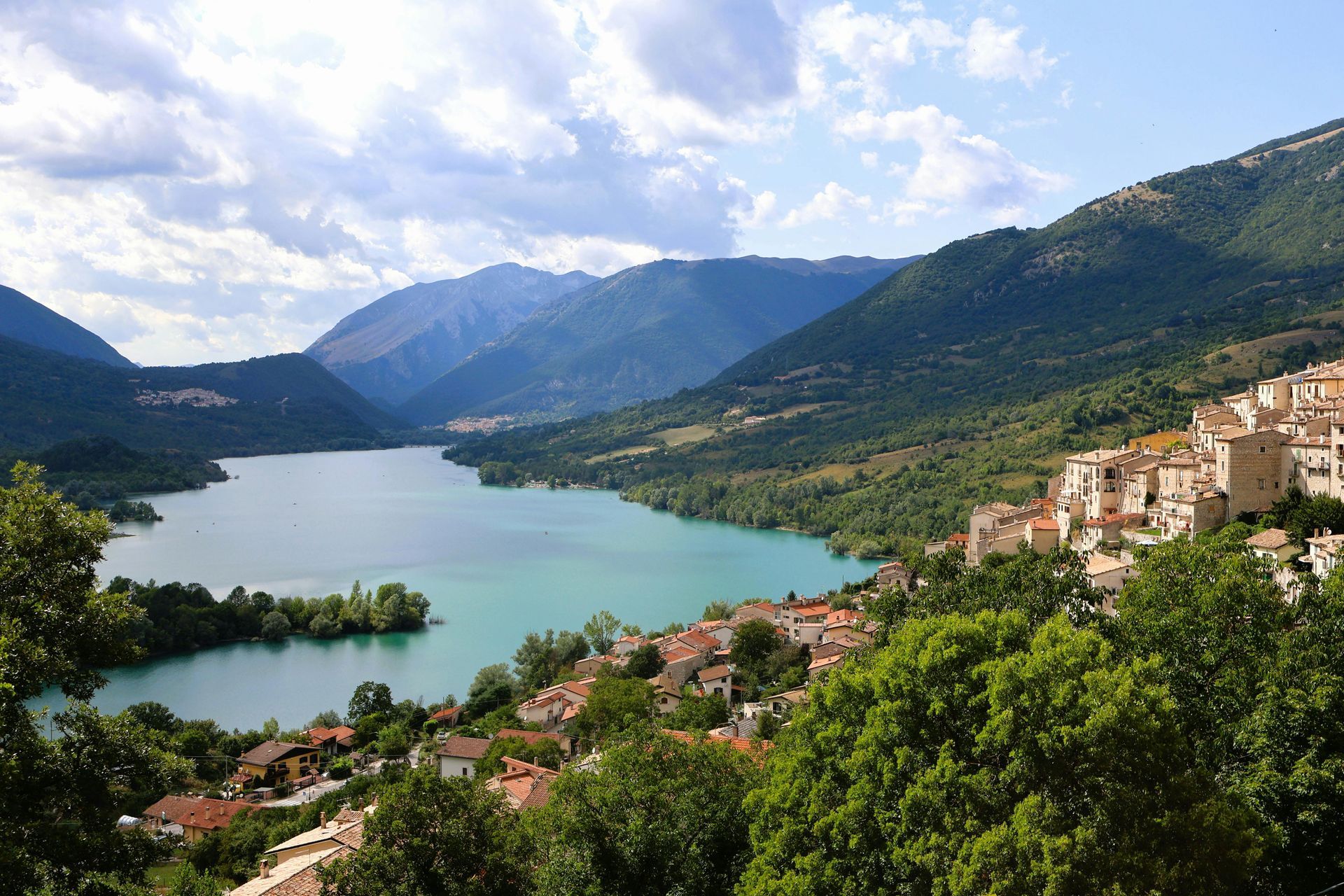
The Italian Lakes region is one of the most breathtaking parts of Italy—a place of sparkling blue water, elegant villas, charming lakefront towns, mountain backdrops, and relaxed European glamour. From the iconic beauty of Lake Como to the lively atmosphere of Lake Garda and the peaceful elegance of Lake Maggiore, this region attracts travellers from all over the world. But here’s the reality… The Italian Lakes are not as simple to plan as they may seem. At Aussie2italia, we often see travellers booking the wrong lake, the wrong town, or underestimating the logistics of getting around. Common Italian Lakes Booking Mistakes Assuming “Lake Como” Is One Destination Lake Como is large and shaped like an upside-down Y, with towns spread across different branches. Staying in Como is very different to staying in Bellagio, Varenna or Menaggio. Each offers a different experience: • Como – easiest access by train from Milan • Bellagio – glamorous and central for ferries • Varenna – romantic and scenic with train access • Menaggio – quieter and elegant Choosing the wrong town can mean long ferry rides or difficult transfers. Not Understanding Ferry Logistics Ferries are a wonderful way to explore—but routes, schedules, and frequency vary. Some ferries are seasonal. Some are slower than expected. And in peak season, queues can be long. A beautiful-looking hotel can be inconvenient if it’s far from ferry access. Booking a Car When You Don’t Need One For many travellers staying around Lake Como, a car can be more hassle than help. I know us Aussie just love to have a car but mostly in Italy it is very unpractical and very expensive. Roads are narrow. Parking is expensive and limited. Traffic can build up in summer. In many cases, trains and ferries are easier. However, if combining multiple lakes or exploring countryside areas, a car may be worthwhile. Choosing the Wrong Lake Not all lakes offer the same experience. Lake Como is luxurious and romantic. Lake Garda is larger, more active, and family-friendly. Lake Maggiore is elegant and less crowded. Choosing the wrong lake can mean a very different holiday than expected. Booking Too Late The best lake-view hotels, boutique villas, and waterfront apartments book out early—especially from May to September. Last-minute bookings often mean: • higher prices • limited locations • less convenient access How Aussie2italia Can Help At Aussie2italia, we help travellers choose the right lake and the right town. We can assist with: • deciding which lake suits your style • choosing the best town or combination of towns • arranging transfers, ferries, and train routes • deciding if you need a car • combining the lakes with places like Milan, Venice, or Switzerland Want romance? Want luxury? Want family-friendly? Want easy access without too much moving around? We can tailor the perfect itinerary. The Italian Lakes Should Be Relaxing… Not Complicated The Italian Lakes are all about scenic views, lakeside lunches, ferry rides, and slow travel. But getting the logistics wrong can turn a dream trip into a frustrating one. That’s where Aussie2italia comes in. We take the stress out of planning so you can simply enjoy the beauty of the lakes. Planning a trip to the Italian Lakes? Let Aussie2italia help you get it right the first time.
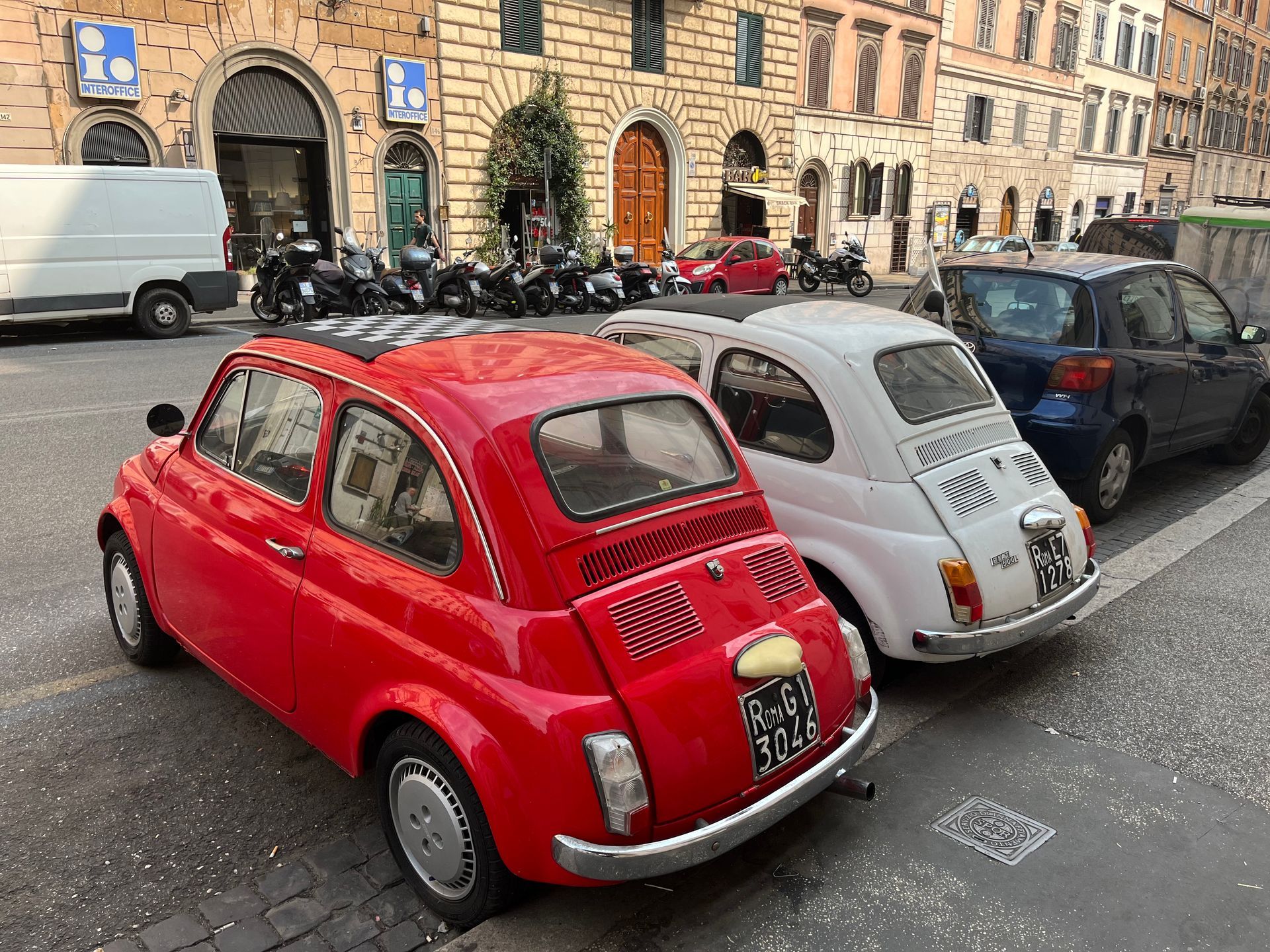
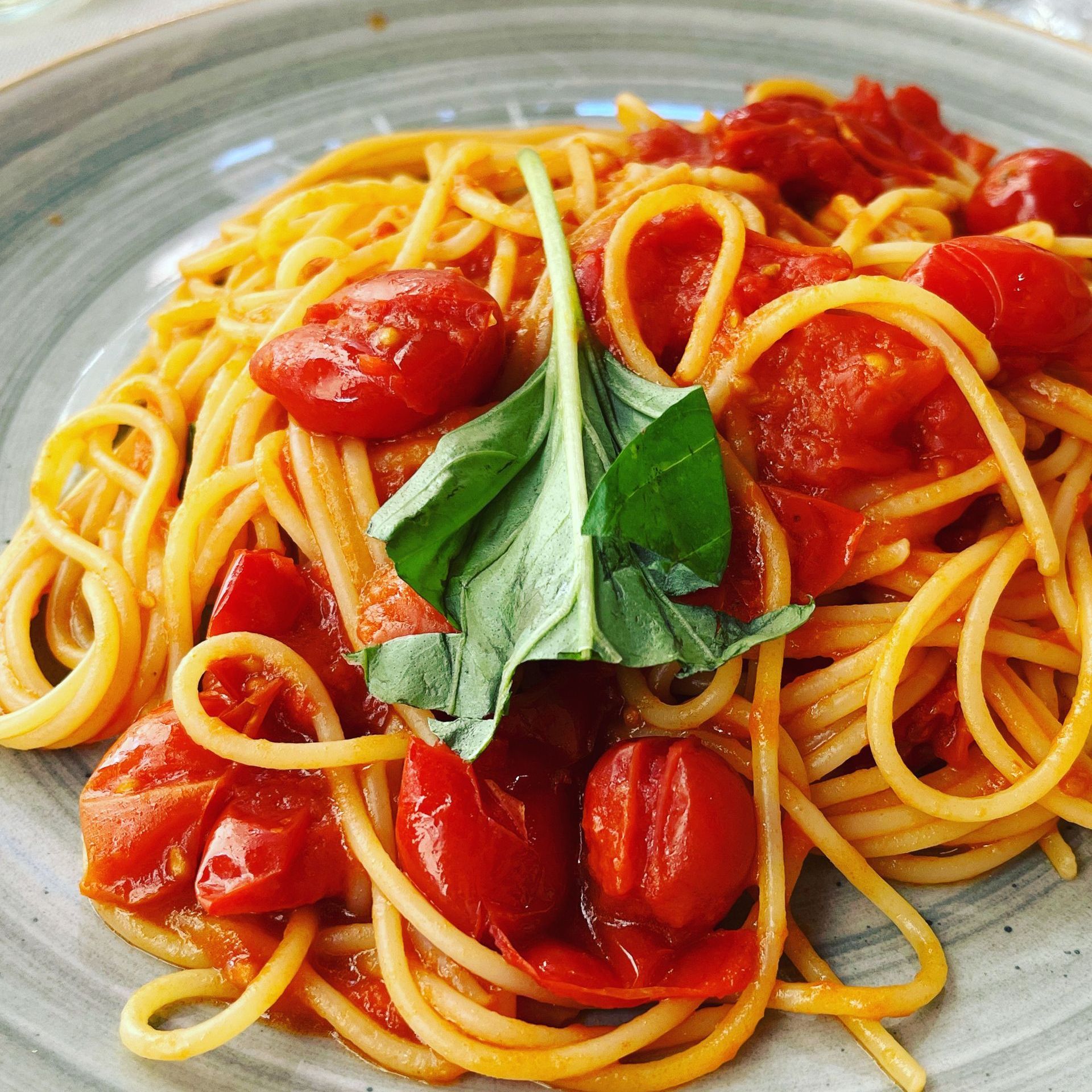
Italy remains one of the most searched holiday destinations in the world, with travellers dreaming of its food, history, coastlines, and unforgettable experiences. But what exactly are people searching for before they book? Here are some of the most Googled questions about Italy: 1. Where should I go in Italy? The most searched destinations are often the classics Rome, Florence, Venice, Milan and Naples. Then come the dream destinations like the Amalfi Coast, Cinque Terre, Tuscany and Sicily. Everyone wants to know—“How do I fit it all in?” 2. Best time to visit Italy? People search this constantly. Do you want: ☀️ Summer beaches? 🍇 Autumn wine harvest? 🌸 Spring weather and fewer crowds? 🎄 Christmas markets and snow in the north? The answer depends on your travel style….avoid August as its HOT and HOLIDAY time in Italy. 3. How many days do I need in Italy? This is a big one. People often Google things like: “Is 10 days enough for Italy?” “2 weeks in Italy itinerary” “Can I do Rome, Florence and Venice in 7 days?” Our answer? Slow down and enjoy it! Remember a big part of your cost is the airfare – so stretch is out a few days if you can. 4. Is Italy expensive? Travellers want to know the cost of: Hotels 🏨 Trains 🚄 Food 🍝 Tours 🍷 and of course… shopping 🛍️ Italy can be done on many budgets depending on the regions you visit. 5. What are the must-do experiences? Searches often include: “Best food tours in Bologna” “Cooking classes in Florence” “Boat tours in Capri” “Wine tasting in Tuscany” “Day trips from Rome” People are no longer just booking hotels—they want experiences. 6. Is Italy safe? A very common Google search. Questions often include pickpockets, train travel safety, solo travel, and scams. The good news? Italy is generally very safe—just travel smart like anywhere. 7. What food should I eat in Italy? One of the biggest searches in the world! People search for: 🍕 Pizza in Naples 🍝 Pasta in Rome or Bologna 🍷 Wine in Tuscany 🍋 Limoncello on the Amalfi Coast 🍦 Gelato… everywhere! Italian food and wine are among the most searched cuisine topics globally. Prosecco is even one of the most Googled Italian wines. 8. Do I need a car in Italy? This depends on where you’re going. Cities? No. 🚶♀️🚄 Countryside like Tuscany or Puglia? Often yes. 🚗 Many people search train routes, driving rules, and those dreaded ZTL zones! At Aussie2italia, we understand why people Google so much about Italy… There is just SO much to see, eat, and experience. The real question shouldn’t be: “What should I Google about Italy?” It should be… “Who can help me make sense of it all?” That’s where we come in 🇮🇹✨ At Aussie2italia, we help turn all those Google searches into real itineraries, unforgettable experiences, and stress-free travel plans.
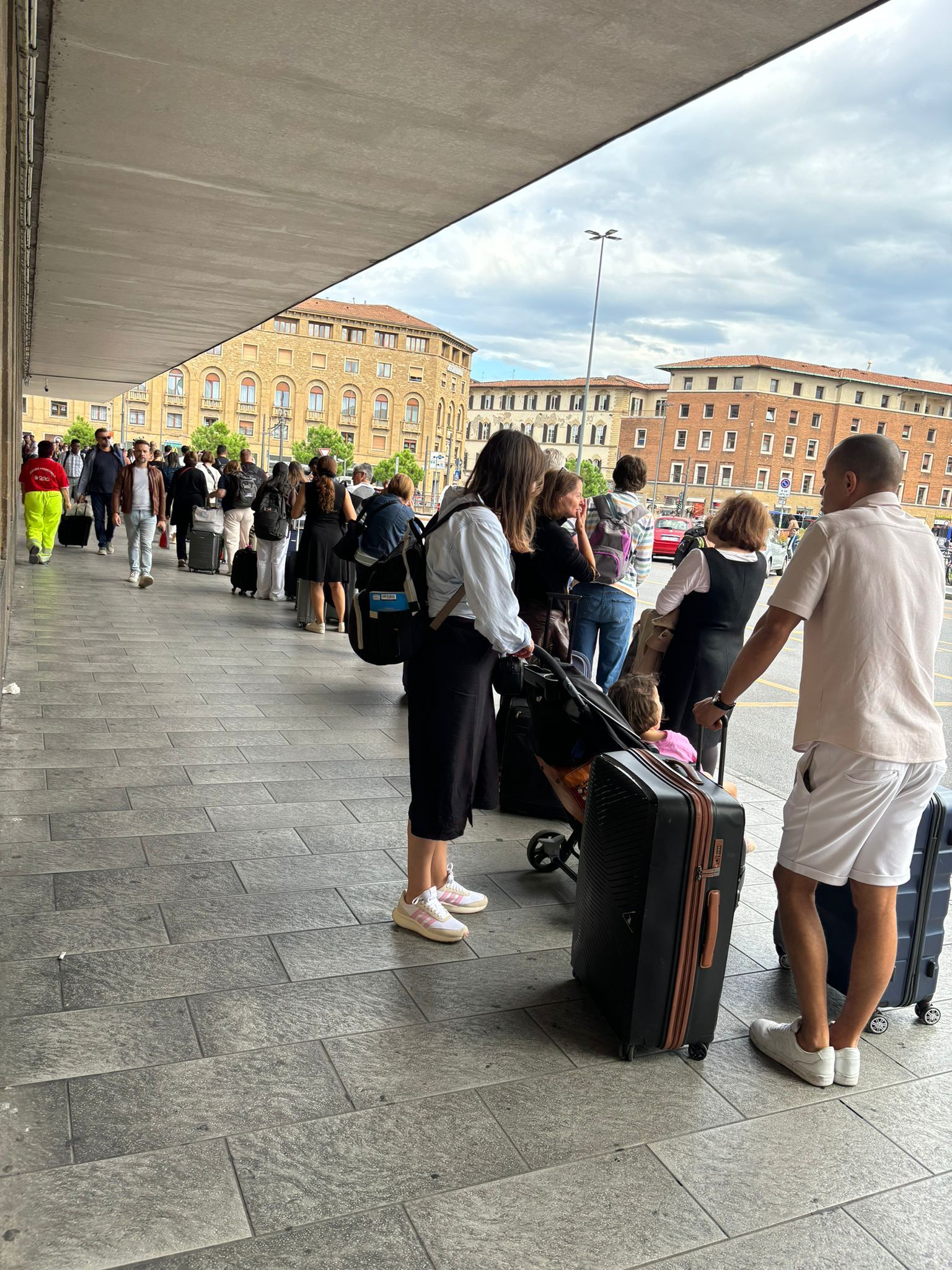
At Aussie2italia, we spend a lot of time in Italy speaking with locals, hoteliers, drivers, guides and restaurant owners and one thing is clear… Italians are incredibly welcoming. Tourism is a huge part of Italy’s economy and many locals genuinely love sharing their country, culture, food and traditions with visitors. But… There’s a growing conversation in Italy about mass tourism. Places like Venice, Rome, Florence, the Amalfi Coast and Capri are feeling the pressure more than ever. In peak season, locals often say: “Too many day-trippers.” “Too many cruise ships.” “Too many people trying to ‘tick the box’ and move on.” For many Italians, tourism can mean: overcrowded streets and piazzas rising rents and fewer homes for locals traffic congestion and transport delays more rubbish and strain on infrastructure visitors chasing “Instagram moments” rather than respecting the culture In places like Venice, entry fees and visitor limits have been introduced. On Capri, guides are being asked to use earpieces to reduce noise. In parts of Florence, authorities are tightening rules around eating and crowding in historic areas. So what do Italians want Aussie travellers to know? 1. Slow down Italians often say tourists try to do too much. Rome in 1 day. Florence in half a day. Pisa for one photo. Venice in 6 hours. Italy isn’t meant to be rushed. Stay longer, explore deeper, and enjoy the lifestyle. 2. Travel beyond the “big 5” Many Italians encourage visitors to explore lesser-known places like: Cities like Trieste, Ancona, Bologna and regions like Abruzzo, Puglia, Umbria Sicily beyond the main tourist spots. These regions offer authentic experiences and help spread tourism around. 3. Respect local rules Don’t sit on monuments. Don’t swim where signs say no. Don’t drive into ZTL zones. Dress appropriately in churches. And yes… validate your train ticket! Italy has rules to protect its history and culture. 4. Learn a little Italian Even simple words make a difference: “Buongiorno” = Good morning “Grazie” = Thank you “Per favore” = Please Locals appreciate the effort. 5. Support local businesses Eat at family-run trattorias. Shop local. Stay in locally owned accommodation where possible. This helps communities—not just big tourism operators. 6. Travel in shoulder season May, early June, September and October can be magical. Better weather. Fewer crowds. A more authentic experience. At Aussie2italia, we always say… Italy doesn’t need fewer tourists. It needs better travellers. Aussies are generally loved in Italy because we are friendly, relaxed and respectful. And if we travel thoughtfully, support local communities and slow down to truly experience “la dolce vita,” everyone wins. Travel Italy the Italian way slowly, respectfully, and with a big appetite. 🍝🍷✨ ENJOY x
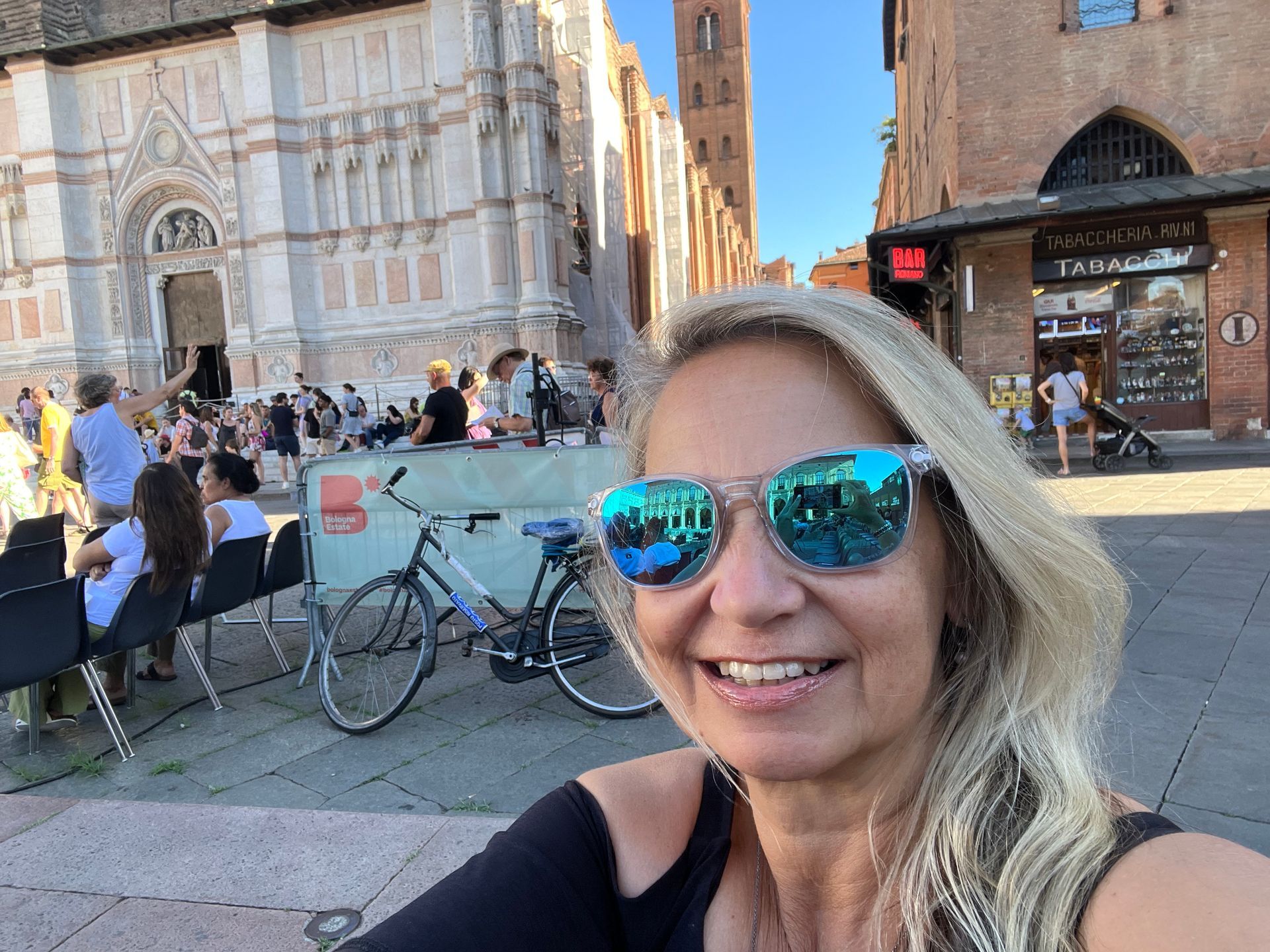
There’s something I’ve learnt after years of working in travel and helping Australians plan their trips to Italy… We don’t travel like everyone else. We go further. We stay longer. And we want more than just ticking off the big sights. We want the feeling. The long lunches that roll into the afternoon. The small towns you didn’t know existed. The cooking class in someone’s home that becomes the highlight of your trip. And that’s exactly why planning your Italy trip properly matters. Don’t Just Take My Word For It…... One of the things I’m most proud of at Aussie2Italia is what our clients say after they return. Our Google Reviews are filled with stories like: • “We would never have found these places on our own.” • “Every detail was thought of - it just flowed.” • “It didn’t feel like a typical holiday… it felt like we were living in Italy.” And that’s the difference. It’s not just about where you go - it’s how you experience it. So here are 3 Tips Every Australian Should Know Before Travelling to Italy 1. Slow Down - You Don’t Need to See It All (and you simply can't) Australians often try to fit too much in because “it’s a long way to go.” But Italy isn’t a checklist. Spending 5 nights in one place will give you a far better experience than racing through five destinations in the same time. Choose fewer places, go deeper, and actually enjoy it. 2. Mix the Icons With the Unexpected Yes, you should see Rome, Florence, or Amalfi Coast…(tick those boxes) But the magic often happens in the places you’ve never heard of. Small towns, local wineries, regional food experiences - that’s where Italy really comes alive. So pepper your trips with those places you want to tick off and then go to those places you have never heard about before. 3. Build Experiences, Not Just an Itinerary Anyone can book a hotel and a train. (that can be tricky too so make sure you do not use a third party side where you get no support) But what makes a trip unforgettable? • A private cooking class in the countryside • A local guide who brings history to life while taking you on a food & wine experience through the streets of Florence • A food tour where you meet the people behind it That’s the difference between a holiday… and a true Italian experience. Why Aussie2Italia? Because we get how Australians travel. As an Australian with Italian father I understand...... We know you’ve waited a long time for this trip. We know you want it done properly. And we know it’s not just about getting there - it’s about getting it right. If Italy is on your list (and let’s be honest, it probably is)… now is the time to start planning. Not when it’s too late. Not when everything is booked out. But now - so you can experience Italy the way it’s meant to be.